





-
Why Is Home Security So Expensive?
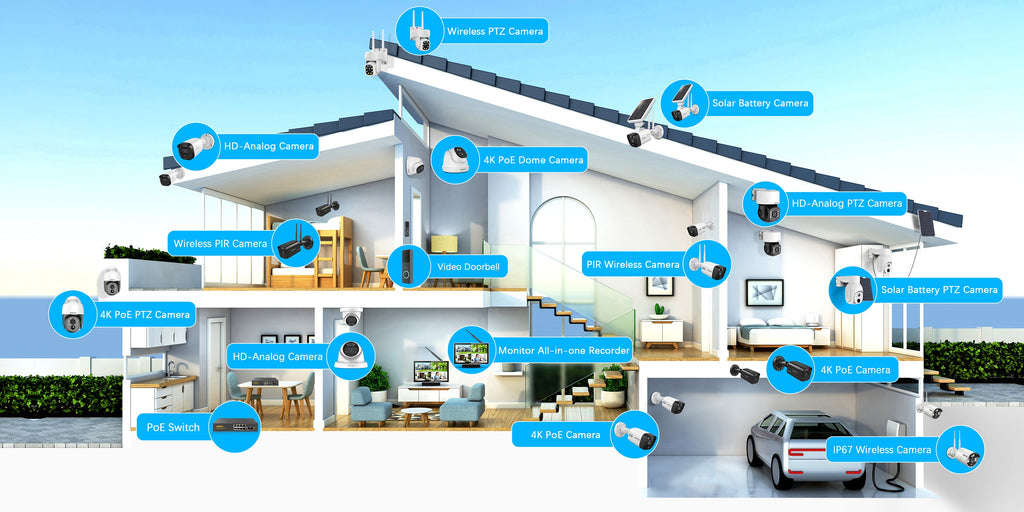 Why Is Home Security So Expensive? The Real Cost Behind Modern Security Systems — And How Smart Homeowners Save Money With OHWOAI If you’ve looked into buying a home security system recently, chances are you had the same reaction most homeowners do: “Why does this cost so much?” At first, security cameras seem affordable enough. A quick search online shows hundreds of wireless cameras at reasonable prices. But once you start building a complete setup, the costs can rise fast: Camera systems Monthly subscriptions Cloud storage Professional installation Smart sensors Monitoring plans Network upgrades Before long,...
 -
How to Monitor Your Pet With a Camera: Smart Tips Every Pet Owner Should Know
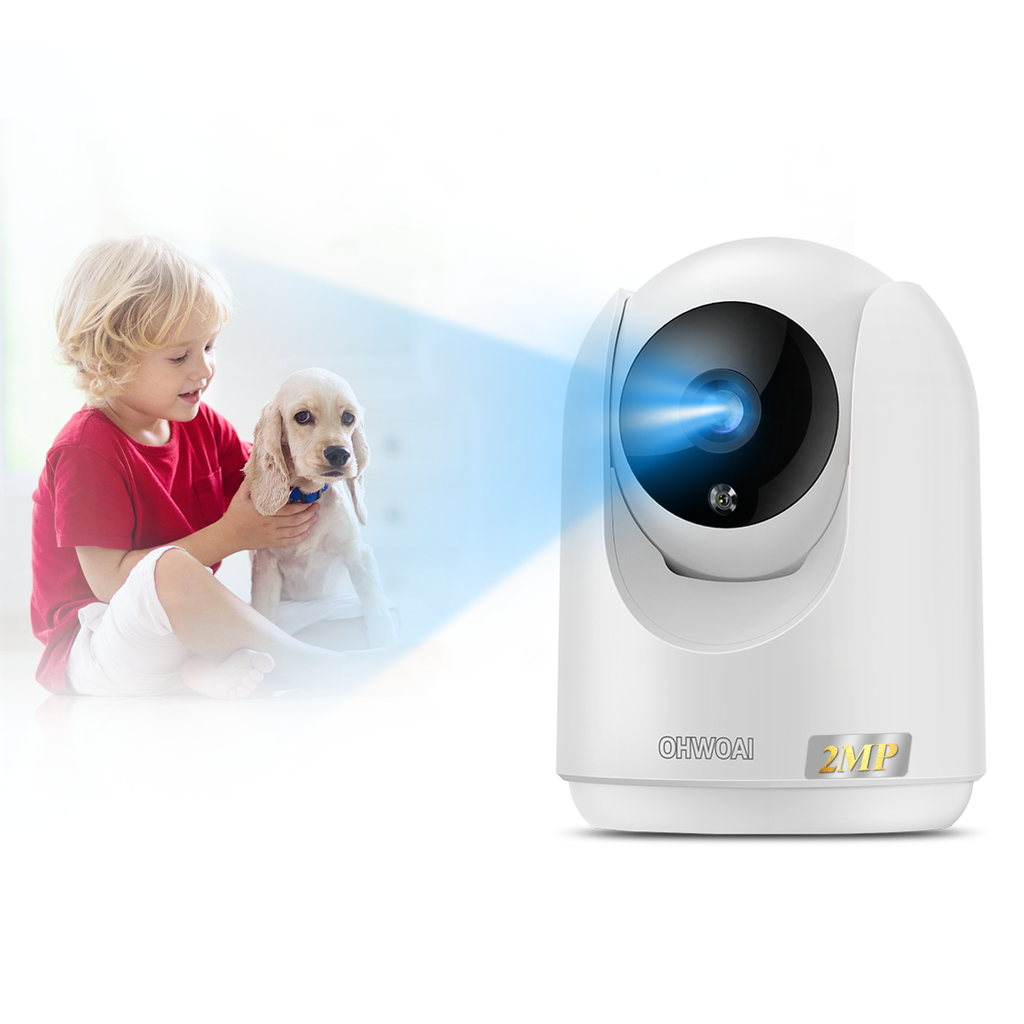 For many pet owners, leaving home can feel surprisingly stressful. You wonder: What is my dog doing right now? Is my cat getting into trouble again? Why does my pet seem anxious when I’m away? Are they eating, sleeping, or barking all day? That’s exactly why more homeowners are using wireless security camera systems to monitor pets while they’re at work, traveling, or simply away for the day. Modern pet monitoring has evolved far beyond basic webcams. Today’s smart home surveillance systems allow owners to: Watch pets live from anywhere Receive motion alerts Speak through two-way...
 -
How Many Wireless Security Cameras Does a Home Really Need?
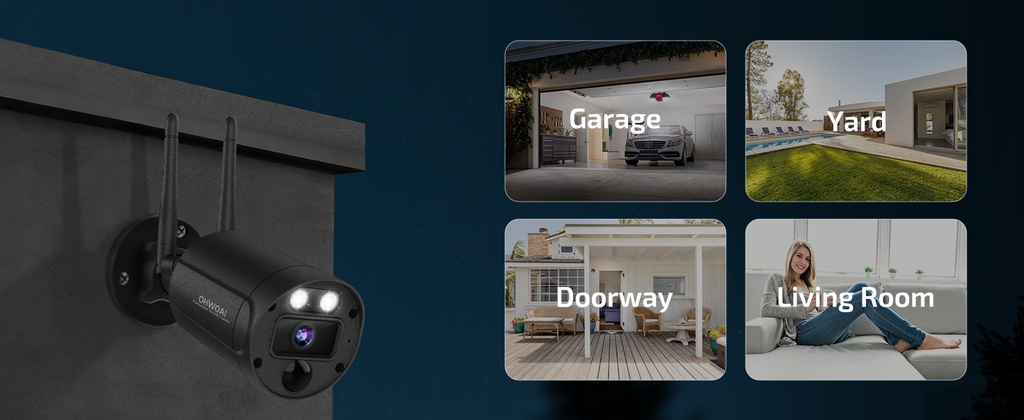 One of the first questions homeowners ask when shopping for a wireless security camera system is surprisingly simple: “How many cameras do I actually need?” And honestly, it’s a good question. Some people install a single front-door camera and feel perfectly secure. Others build full-property surveillance systems with cameras covering every angle imaginable. The challenge is figuring out what’s actually necessary — without overspending or creating unnecessary complexity. At OHWOAI, we’ve seen homeowners make both mistakes: Too few cameras, leaving major blind spots Too many cameras, creating overlapping footage and constant notifications The truth is that...


