





-
How to Protect Your OHWOAI Security Camera Footage and Maintain Your Privacy
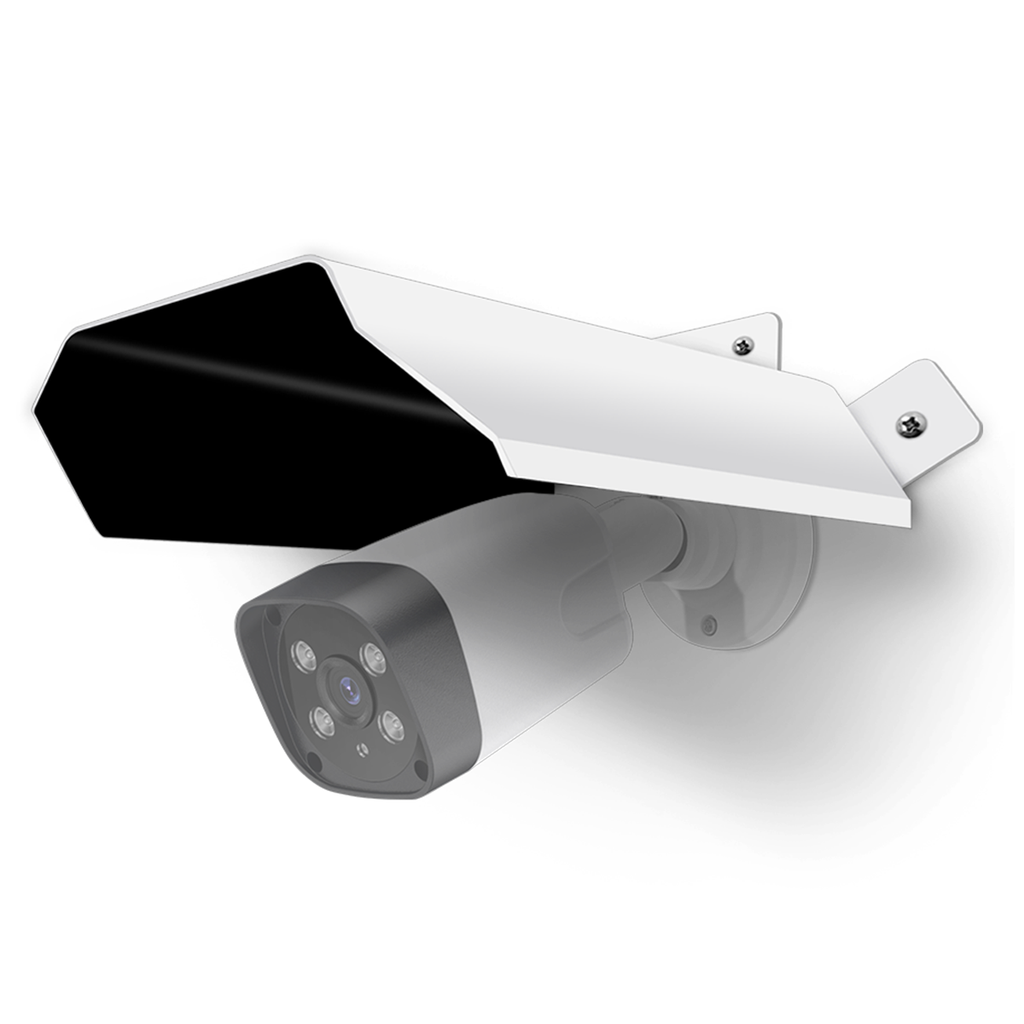 How to Protect Your Security Camera Footage and Maintain Your Privacy In an era where smart surveillance isn’t just for businesses but everyday households, knowing what happens to your security camera footage is more important than ever. From preventing burglars to monitoring pets, modern security systems capture a lot of personal data — and that data deserves to stay secure. For many homeowners, the real question isn’t just whether cameras record video, but who gets access to it and how that footage is protected. Whether you’ve installed a standalone device, a full surveillance camera system, or...
 -
Should Your Security Cameras Be On 24/7? Smart Surveillance Pros, Cons & Alternatives
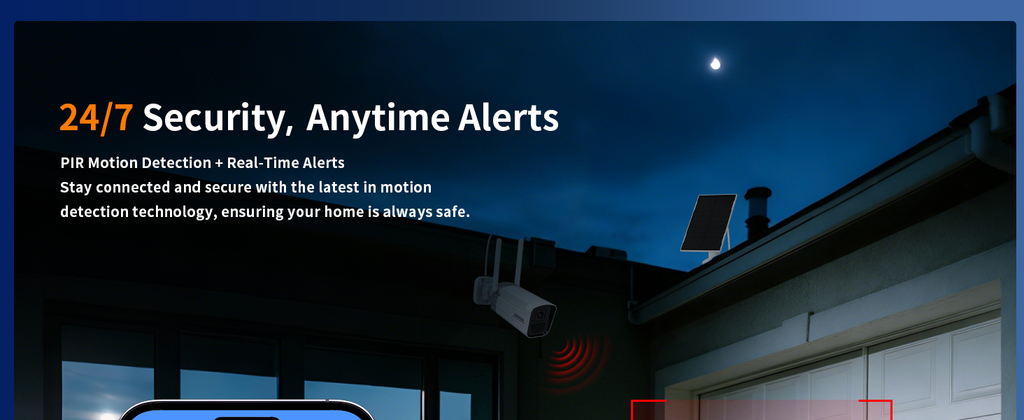 When most homeowners think about security cameras, the instinctive reaction is simple: “The more it watches, the better it protects, right?” There’s a strong belief that keeping a surveillance camera system on 24/7 is the ultimate way to ensure nothing gets missed. But in the real world, continuous recording isn’t always the best answer for every situation — and can actually create its own challenges. In this article, we’ll break down what it really means for cameras to run around the clock, weigh the pros and cons, and explore smarter alternatives that can deliver protection without...
 -
How to Reduce False Security Camera Alerts Without Missing What Matters
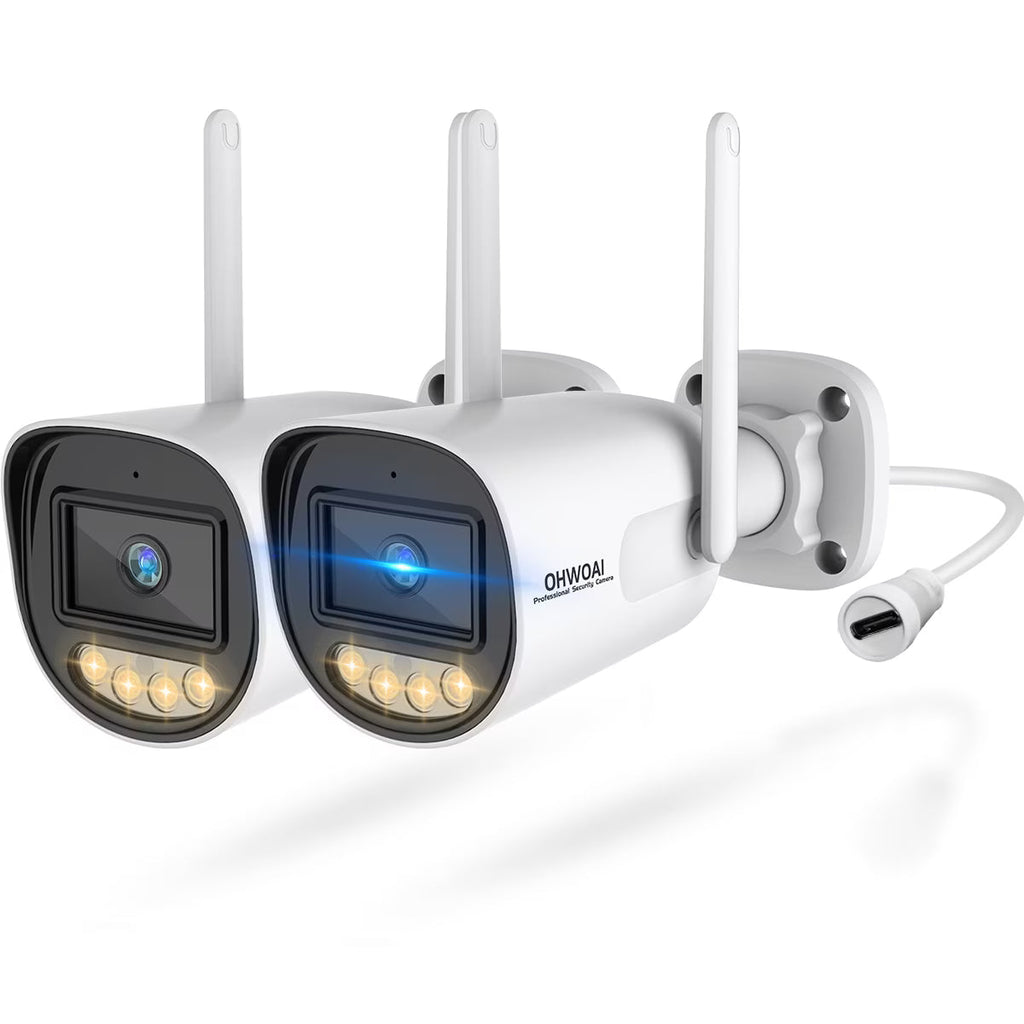 If you own a home security camera, you already know the feeling. Your phone buzzes in the middle of dinner. You check the notification expecting something important — but it’s just a passing car, tree branches moving in the wind, or your neighbor’s cat wandering across the driveway again. Over time, too many false alerts become more than annoying. They train homeowners to ignore notifications altogether, which defeats the entire purpose of having a surveillance camera system in the first place. Whether you use a basic DVR camera system or a more advanced smart security setup,...


